Health is one of PHWO’s central areas of work. Families who cannot meet the cost of treatment can already ask for help through our Request Help service — medicines, tests, surgery, hospital bills and delivery costs. The wider programme below opens in stages across Pakistan.
Health and Medical Care
Under Aim 2 of our constitution, PHWO works to improve access to healthcare: helping people get treatment they cannot afford, bringing qualified doctors to communities that rarely see one, and preventing illness before it becomes an emergency.
The Need
For millions of families in Pakistan, illness is a financial crisis before it is a medical one. Seeing a qualified doctor is not only a consultation fee: it is transport, a lost day’s wages, tests, medicines bought at full price and, for many women, the need for someone to accompany them. Faced with that total cost, people delay. Conditions that were treatable become serious, and serious ones become emergencies — and a single hospital bill can push a household into debt it never recovers from.
Government health surveys consistently point to the same pattern, most sharply in rural and low-income urban areas: preventable illness driven by unsafe water and poor sanitation, high rates of maternal and newborn complications, undiagnosed hypertension, diabetes and hepatitis, untreated cataracts and dental disease, and very little support for mental health or disability. Much of this burden responds to three things: treatment paid for at the moment it is needed, a qualified consultation early enough, and accurate information.
What PHWO Does
- Help with the cost of treatment. Families can ask, through Request Help, for help with medicines, laboratory tests, scans, surgery, hospital admission and follow-up care. Every request is verified, and where help is arranged it is paid directly to the hospital, pharmacy or laboratory against its bill.
- Mother and newborn care. Support with antenatal check-ups, safe delivery costs, postnatal care and newborn needs, so that no mother gives birth without care because of the price.
- Long-term conditions. Help for people living with diabetes, hypertension, heart disease, hepatitis, tuberculosis, kidney disease or cancer to keep their treatment going — the monthly medicine, the regular test, the dialysis session that is too easily stopped when money runs out.
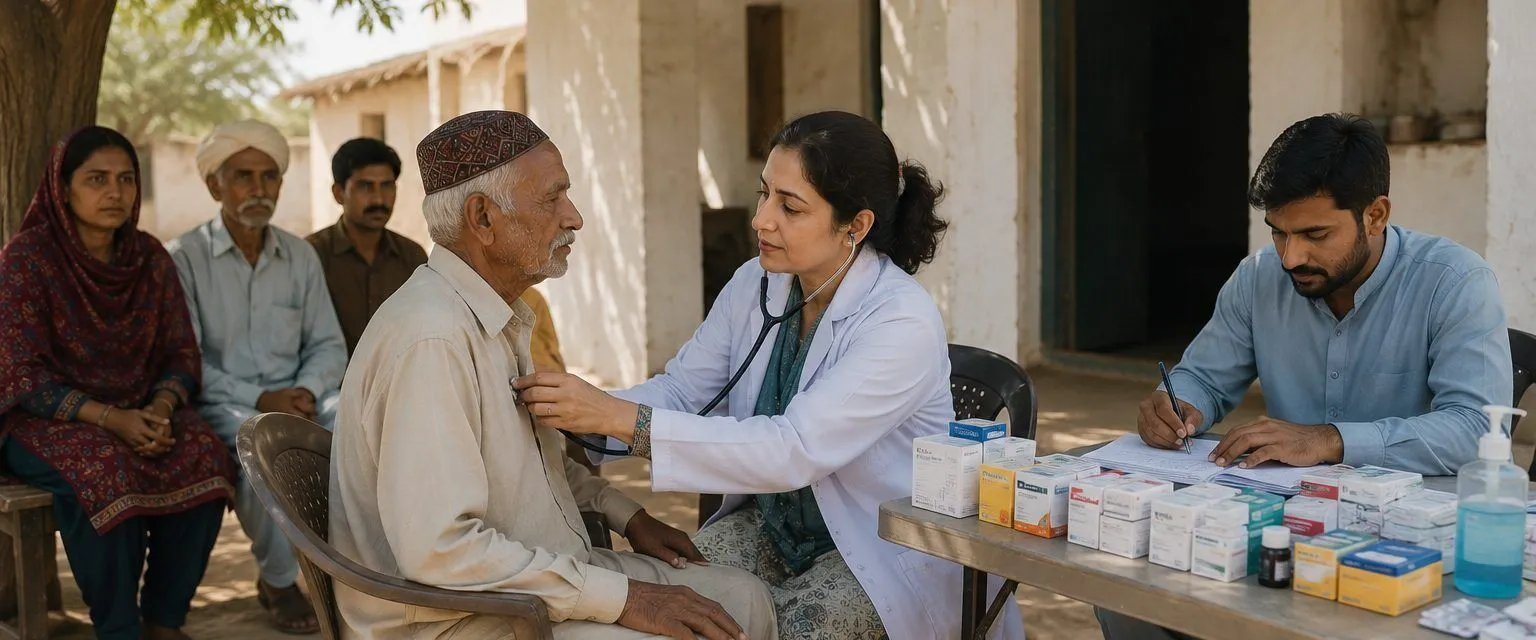
- Free medical camps. Camps in underserved neighbourhoods and villages, staffed by qualified doctors and paramedics, offering consultation, basic diagnostics and essential medicines at no cost to the patient — including women’s camps with female doctors and separate arrangements.
- Eye and dental care. Eye screening, spectacles and cataract surgery referrals; dental check-ups and treatment for those who cannot pay.
- Disability and rehabilitation. Wheelchairs, hearing aids, walking aids and prosthetics, physiotherapy referrals, and help for families caring for a disabled child or adult.
- Mental health and emotional support. Awareness that reduces stigma, and referral to qualified counsellors and psychiatrists for people facing depression, anxiety, trauma or addiction.
- Blood and emergency help. A volunteer network of blood donors, and guidance to families facing a medical emergency on where to go and what to ask for.
- Referral, not pretence. Cases needing hospital care are referred onward with a written note and, where possible, followed up. We do not attempt treatment beyond the competence available.
- Prevention and awareness. Sessions on hygiene, safe drinking water, nutrition, immunisation, maternal and child health, and the early signs of common conditions, including in schools, where one session reaches a whole household through the child. The World Health Organization publishes plain guidance on each of these.
- Working with the public health system. Activities planned alongside health authorities and existing facilities, so that we supplement public services rather than compete with them. The WHO country office for Pakistan describes that system.
Who It Serves
People across Pakistan who cannot afford the care they need, with particular attention to women, children, older people, people with disabilities and those with long-term conditions who have fallen out of regular care. Help is decided on need alone. No patient is charged for anything PHWO provides, and no one is asked their faith, sect, politics or affiliation: PHWO is non-political and non-sectarian.
How It Is Measured
- treatment requests received, verified and supported, by condition and province;
- patients seen at camps, by gender and age group;
- the most common conditions presented, so that awareness work is aimed at what people actually have;
- referrals made and, where follow-up is possible, referrals completed;
- cost per patient supported, and the share of support paid directly to hospitals and pharmacies;
- attendance at awareness sessions and simple before-and-after knowledge checks.
Patient records are kept confidentially and used only for follow-up and aggregate reporting, in line with our reporting and accountability commitments. Figures are published once they are verified.
How You Can Support It
- Pay for someone’s treatment. Sponsor a verified case, or make a donation restricted to health — one hundred per cent of a restricted gift stays with this programme.
- Volunteer clinically. Doctors (female doctors in particular), specialists, dentists, pharmacists, nurses, paramedics, lady health workers, psychologists and medical students can register their availability — in person or for remote consultation.
- Donate medicines or equipment. In-date medicines, diagnostic equipment, wheelchairs and consumables can be put to use directly.
- Give blood. Join our volunteer blood donor network through the volunteer form.
- Partner. Hospitals, laboratories, pharmaceutical companies and CSR teams can support treatment, camps or equipment. See Partner With Us.
To discuss supporting this programme, write to info@phwo.org.
Help us start this work
This begins when the people and the funding are there
Last reviewed . Published by Peace and Humanity Welfare Organization.