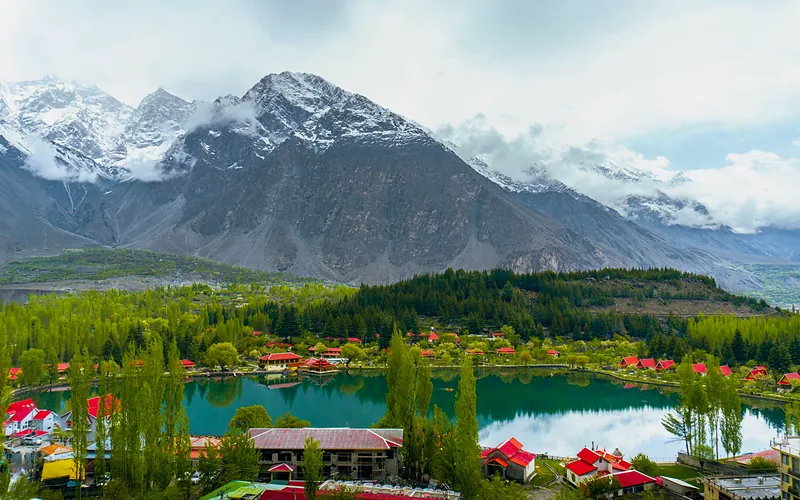
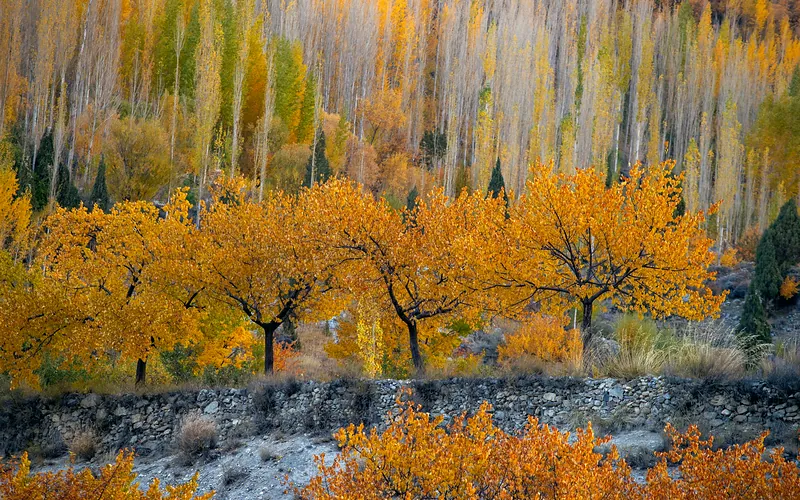
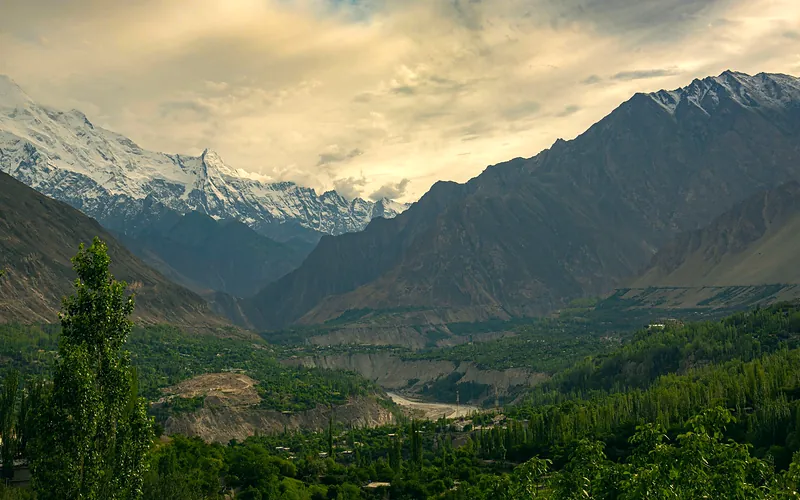

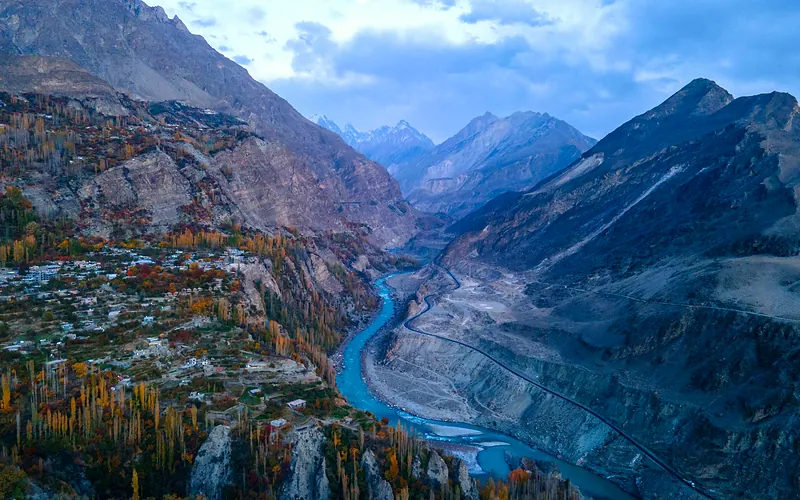


Gilgit-Baltistan is where three great mountain ranges, the Karakoram, the Himalaya and the Hindu Kush, meet. Its valleys hold some of the world’s highest peaks and longest glaciers, and its people live in villages reached by narrow roads that snow, rockfalls and floods can close at any time. For a family in Diamer, Ghizer, Hunza or Ghanche, looking for an NGO in Gilgit Baltistan usually means looking for help that can travel to them, because they cannot easily travel to it.
Every district of the region can send requests to Peace and Humanity Welfare Organization (PHWO). It does not, however, have any office, centre, camp or staff in Gilgit-Baltistan; its one office is far away in Larkana, Sindh. Mountain families reach PHWO through its website, PHWO account messages or a volunteer, and all services are free of charge. Each application is checked, help is put in place once the hardship is established and within PHWO’s means, and no outcome is guaranteed.
Population and literacy across the region
The 2023 Census counted 1,709,049 people in Gilgit-Baltistan, up from 1,492,924 in 2017, over roughly 72,496 square kilometres, according to GB at a Glance 2025 from the Planning and Development Department. Households are large, averaging about seven people.
The same report shows very different conditions from one district to the next. Literacy was about 87 percent in Hunza but only around 31 percent in Diamer. Gilgit and Skardu, the two main towns, had 324,552 and 278,885 residents in their districts. Shina, Balti, Burushaski, Wakhi and Khowar are the main mother tongues, with Urdu shared by all.
Common hardships in the mountains
- Winter. Months of freezing weather, heating costs, and short electricity supply when rivers run low.
- Seasonal work. Tourism, portering and farming pay mostly in summer, leaving winter with little income.
- Natural hazards. Landslides, avalanches, glacial lake outburst floods and earthquakes damage homes, fields and water channels. National warnings are issued by the National Disaster Management Authority.
- Distance to care. Serious illnesses are often referred to Islamabad or Rawalpindi, adding travel, lodging and lost wages to the bill.
- High prices. Almost everything arrives by the Karakoram Highway, so goods cost more, and much more when the road is blocked.
Needs PHWO hears about from GB
Everywhere in Pakistan, ration, debt relief and a laptop or phone for studies or employment are what PHWO is asked for most. In Gilgit-Baltistan these fit the seasons closely: flour and fuel run short in winter, credit at the village shop grows until the tourist months, and many of the region’s well-educated young people want to work online rather than move south. A student at Karakoram International University or the University of Baltistan with a reliable laptop can study through winter and take on remote work.
Families also write about medical bills from treatment down-country, university fees, rent in Gilgit town, and losses after floods or landslides. PHWO’s eight programme areas, including education, health, digital skills and emergency relief, are listed under Programmes.
Remote districts and those left furthest behind
Conditions are hardest in districts where roads are few and schools are far apart. In Diamer, along the Indus below Chilas, fewer than a third of people can read, and girls in particular have had little chance to study. Upper Ghizer, Astore, Kharmang and the high valleys of Ghanche face long winters with very little paid work. Families there often depend on one son in the army or in a city job, and when that income stops, there is nothing to fall back on.
PHWO treats requests from these areas exactly like those from Gilgit town. A widow in a Darel village or an elderly couple in Shyok valley can apply with help from a relative, a teacher or a local volunteer. If you are a teacher or health worker in such a valley, helping even one family record an honest request is a real service.
How to reach an NGO in Gilgit Baltistan from a remote valley
- Open Request help. You can also message PHWO from your free PHWO account.
- Explain your family size, summer and winter income, and the help you need.
- Add a live photo of yourself, plus any bills, shop credit notes, fee slips or medical records you have.
- Stay reachable; a volunteer may phone to confirm information.
If your village has no signal, prepare everything and send it from the nearest town. Your request will not expire. PHWO never charges money, and anyone who asks you to pay for a PHWO request is not acting for the organisation.
Legal advice under GB's own court system
Gilgit-Baltistan has its own courts. Each district has sessions and family courts; above them is the region’s Chief Court, and the Supreme Appellate Court sits above it. Through Free legal aid, PHWO links people with volunteer advocates who study their papers and explain their rights. As elsewhere, most requests concern families: khula, dower, maintenance and custody.
There is no need to register an FIR first. If children’s custody is in question or a hearing date is near, say so, and your file will be taken up earlier. Representation in court by a volunteer is possible only when one is available and is not promised.
Government services across GB
- District headquarters hospitals in each district, with the largest in Gilgit and Skardu.
- 15 for police and 1122 for rescue where available.
- BISP offices, where Kafaalat instalments and stipends for schoolchildren are handled; a CNIC sent to 8171 reveals eligibility (bisp.gov.pk).
- Official websites of GB’s social welfare, health and education departments, reachable from the regional government site.
- Zakat and ushr committees in every district, which pay state zakat to listed deserving people.
City pages with local detail: Gilgit and Skardu.
Donating and volunteering for the northern areas
Many GB families have relatives in Islamabad, Karachi, the Gulf, Europe and North America, and many visitors fall in love with the region. Anyone can support verified households through Donate, with money or goods such as winter clothing. Zakat and Sadaqah sent through PHWO pass completely to eligible people. Sponsor a case allows you to support one household that has been checked.
PHWO most needs lawyers working in Pakistan, then fundraisers at home and abroad, and it already has volunteers overseas. People who speak Shina, Balti, Burushaski or Wakhi can help understand requests. Join through Volunteer; each volunteer gets a certificate, a letter of appreciation and an experience letter.
Public services in Gilgit-Baltistan you can also use
- Chief Court of Gilgit-BaltistanAppeals
- District and sessions courts, family courtsKhula, dower, maintenance, custody
- District headquarters hospitalsPublic hospital care
- Police / RescueDial 15 or 1122
- BISP officesSMS CNIC to 8171
- Government of Gilgit-BaltistanDepartments and services
- District zakat and ushr committeesGovernment zakat
These are public or independent services, listed to help you. They are not part of PHWO.
Frequently asked questions
Does PHWO have an office in Gilgit or Skardu?
Neither. PHWO has nobody and nothing on the ground in Gilgit-Baltistan. All requests from the region are handled remotely from Larkana.
Our road is closed for weeks in winter. Can I still apply?
Yes, if you can get a phone signal. Otherwise, send the request when you reach a connected place; there is no deadline.
Can I ask for help with medical bills from treatment in Islamabad?
Yes. Send the hospital papers and explain the costs, including travel. The request is checked before anything is decided.
Which languages can I use?
Shina, Balti, Burushaski, Wakhi, Khowar or Urdu. Speak in whichever is easiest.
I am from Hunza and live abroad. How can I support families at home?
Use Donate from any country, or sponsor a verified case. You can also volunteer as a fundraiser.