
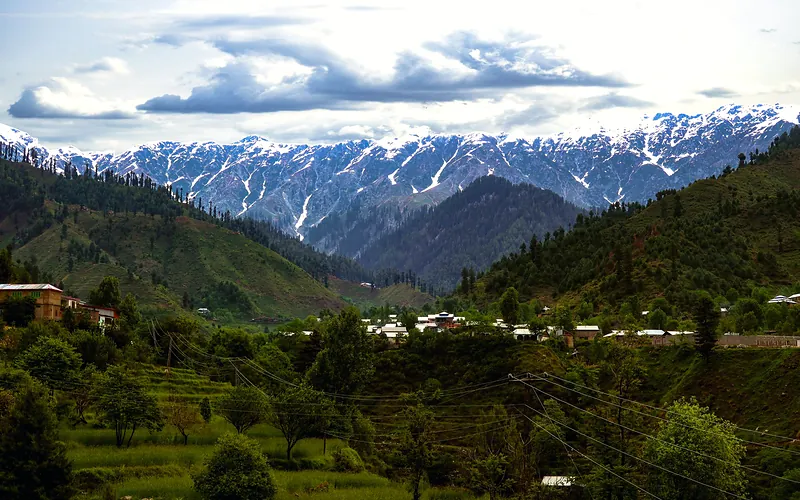

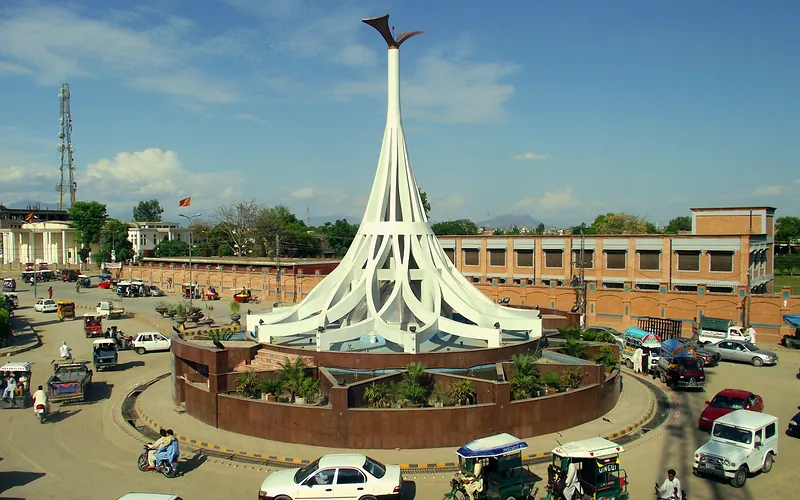
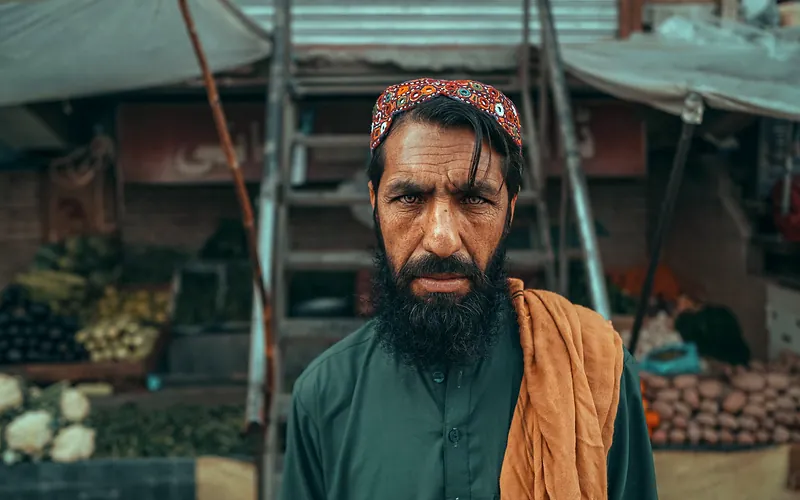
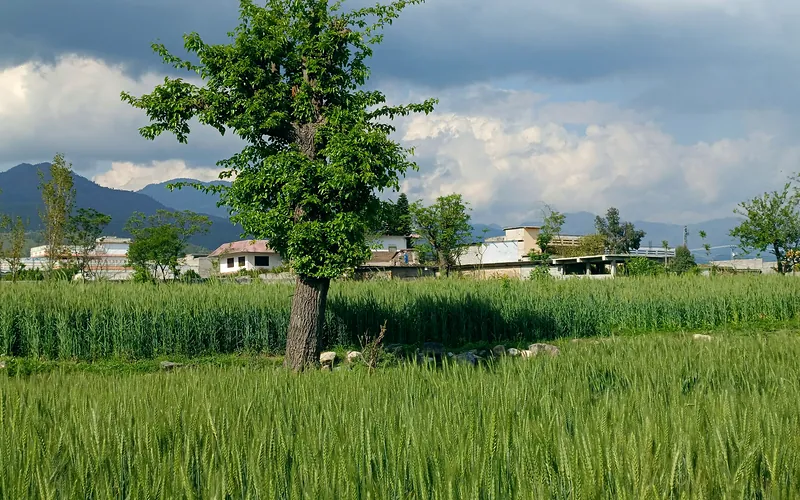
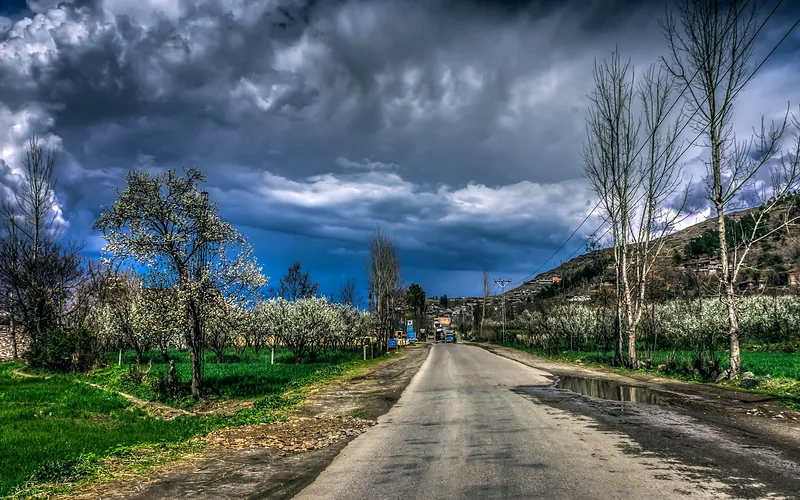
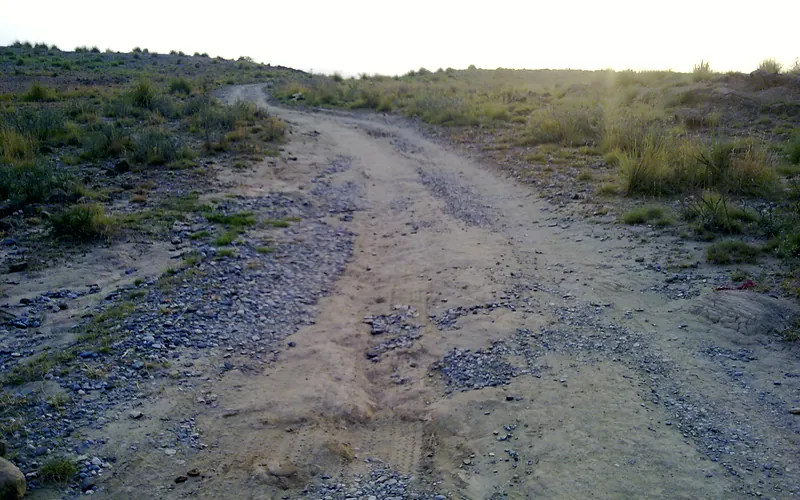
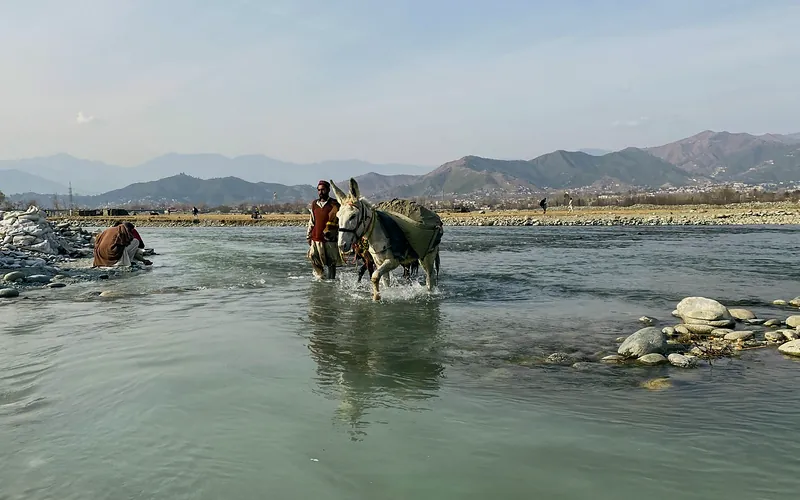


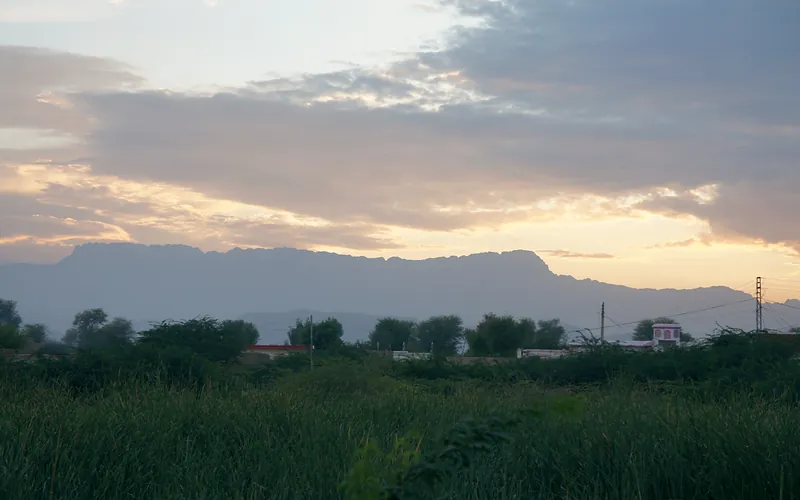

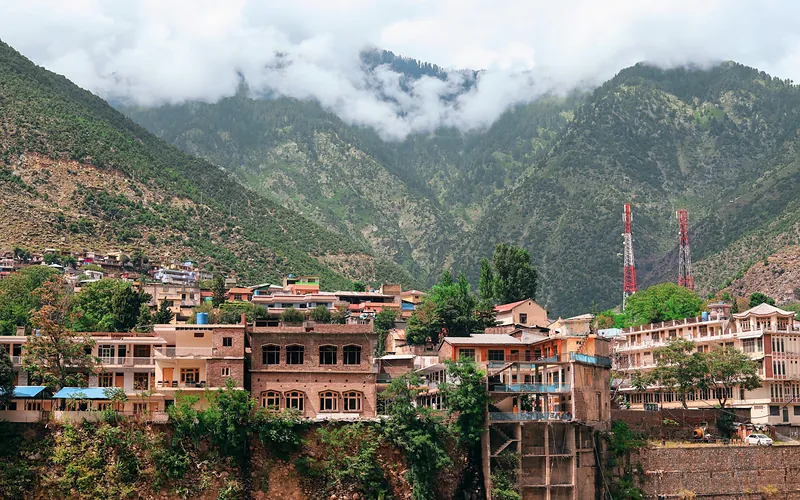
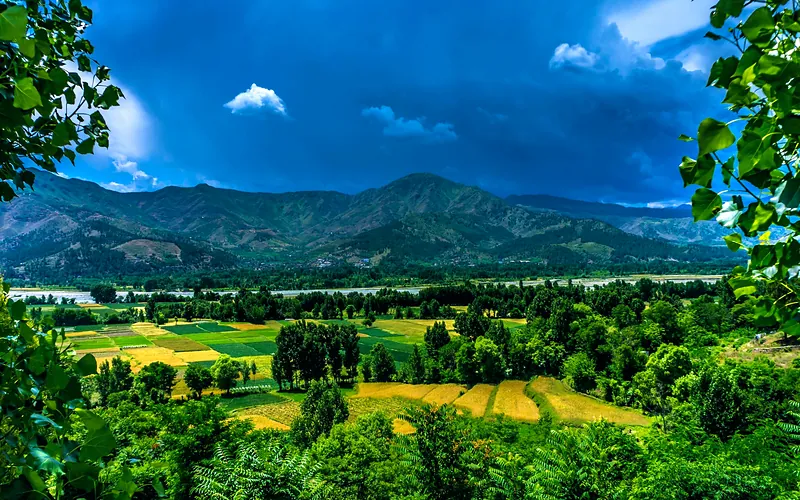

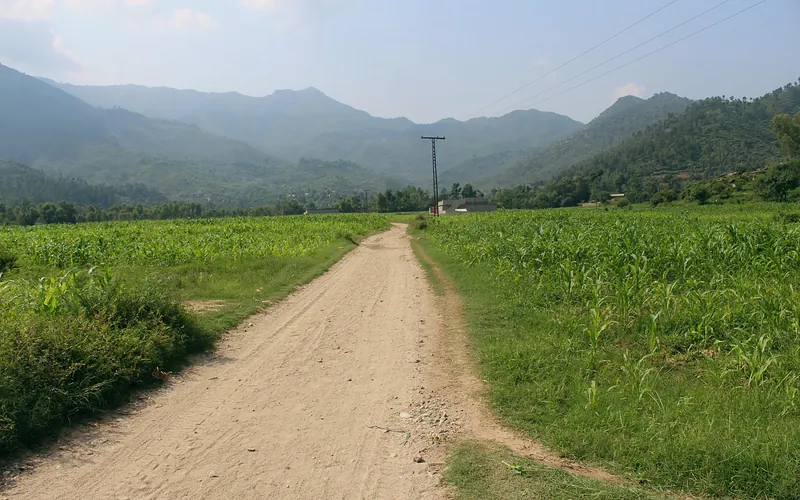

Khyber Pakhtunkhwa stretches from the glaciers of Chitral in the north to the dry plains of Dera Ismail Khan in the south, and from the Hazara hills in the east to the Afghan border in the west. Its people are known for hospitality, yet many households live one bad season away from hunger. For anyone who wants an NGO in Khyber Pakhtunkhwa that can be approached without travelling, this page explains how Peace and Humanity Welfare Organization (PHWO) works for KP families and lists public services worth knowing.
First, a plain fact: PHWO does not have offices, centres, camps or staff in Khyber Pakhtunkhwa. The organisation runs from Larkana, Sindh, alone. KP households send their requests online, through a free PHWO account or through volunteers, and nothing is ever charged. Each application is read and verified by volunteers. Support is organised for cases where hardship is proven and PHWO has the means to respond, and nobody is told in advance what the result will be.
KP at a glance: the 2023 Census
Khyber Pakhtunkhwa, including the former tribal areas merged in 2018, had 40,856,097 residents in the 2023 Census, making it the third most populous province. Only about 15 percent lived in urban areas, and the average household had close to seven members (Pakistan Bureau of Statistics, KP province table).
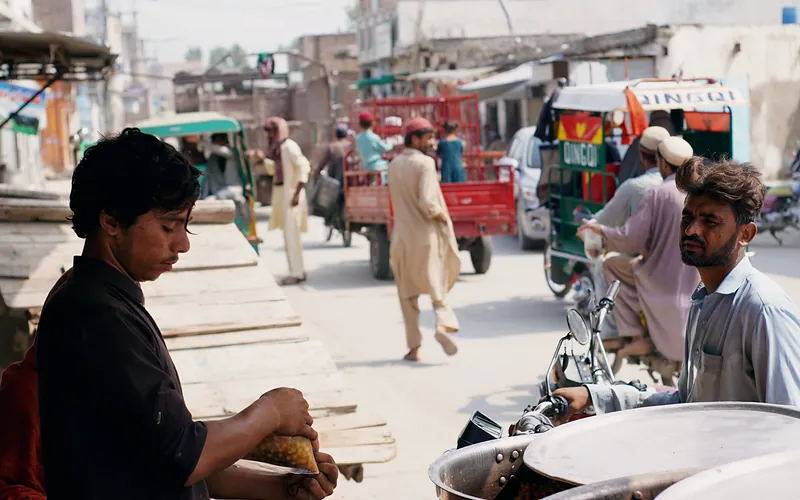
That rural majority matters. Most KP families live in villages, depend on small farms, daily wages or money from relatives in the Gulf, and have limited access to banks, hospitals and courts. Pashto is the main language, with Hindko in Hazara and Peshawar city, Saraiki around Dera Ismail Khan, and Khowar in Chitral.
Four regions, different pressures
- Peshawar valley (Peshawar, Charsadda, Nowshera, Mardan, Swabi): crowded, with high rents, informal work and a long history of hosting Afghan refugees.
- Hazara (Abbottabad, Mansehra, Haripur): hill districts still marked by the 2005 earthquake, with many men serving in the army or working in cities.
- Malakand (Swat, Dir, Buner, Chitral): scenic valleys hit repeatedly by floods, where tourism income stops in winter.
- The south (Kohat, Karak, Bannu, Lakki Marwat, Dera Ismail Khan) and the merged districts: heat, water shortage and years of displacement from military operations.
Floods are a province-wide risk. The 2010 and 2022 monsoons destroyed homes, bridges and crops across the Swat, Kabul and Indus basins (ReliefWeb: 2022 floods). Many families rebuilt with borrowed money and are still repaying it.
What KP families most often need
Across Pakistan, three kinds of request reach PHWO more than any other: monthly ration, help with debts, and a laptop or phone for schooling or a job. In Khyber Pakhtunkhwa all three are common. Rising flour and gas prices hit large families hard. Debts build up after weddings, funerals, illness or a failed trip abroad. And a young person in Bannu or Chitral with a working laptop can take online classes or freelance instead of leaving home for labour in Karachi or the Gulf.
Other requests include medical bills, school and university fees, rent arrears, and losses from floods or fires. You can read about PHWO’s wider work in education, health, women’s empowerment and digital skills on the Programmes page.
How to contact an NGO in Khyber Pakhtunkhwa from any district
- Fill in Request help. If forms are difficult, message PHWO from your free PHWO account and staff will guide you.
- Say who lives in your home, how the household earns, and what exactly you are asking for.
- Add a live photo of yourself, along with any bills, fee slips, loan papers or medical reports you have.
- Answer if a volunteer calls. You can speak Pashto, Hindko, Saraiki, Khowar or Urdu.
Women who observe purdah can ask a mahram relative to help with the request; if a photo is a concern, say so in the form and PHWO staff will guide you privately through your My PHWO account. PHWO charges nothing at any stage, and no person is authorised to collect money in its name. If someone claims to be a PHWO agent in your area and asks for a fee, do not pay.
Free family law advice for KP
Civil and family cases in KP are heard by district courts in every district. Appeals go to the Peshawar High Court, which also sits in benches outside Peshawar, and then to the Supreme Court. Through PHWO’s Free legal aid, volunteer advocates read the papers you send and explain your rights. Most people who ask are dealing with family matters: khula, dower (haq mehr), maintenance for a wife and children, and custody.
No FIR is needed to ask for advice. Questions about who keeps the children, and files with a hearing next week, move to the front. A volunteer lawyer arguing your case before the judge is sometimes possible and never certain. Jirga decisions do not replace your legal rights; an advocate can explain what the courts can do.
Public services every KP household should know
- Rescue 1122, the provincial emergency service, reachable across KP by dialling 1122.
- 15 for police; district contacts are on the KP Police website.
- BISP tehsil offices for Kafaalat and education stipends; a text of your CNIC to 8171 shows whether you qualify (bisp.gov.pk).
- Government teaching hospitals such as Lady Reading and Khyber Teaching in Peshawar, Ayub in Abbottabad, Mardan Medical Complex and Saidu in Swat.
- District zakat and ushr committees for government zakat.
- PDMA KP for flood warnings and relief after disasters.
The Hazara region still remembers the 8 October 2005 earthquake (ReliefWeb record); keeping important documents copied on your phone is a simple habit that helps after any disaster.
City guides for Khyber Pakhtunkhwa
Each of these pages has local facts, courts, hospitals and advice written for that district:
- Peshawar, the provincial capital.
- Mardan in the Yusufzai plain.
- Abbottabad in Hazara.
- Swat and the Malakand valleys.
- Kohat in the south.
- Bannu and the nearby merged districts.
- Dera Ismail Khan on the Indus.
Giving and volunteering from KP and abroad
Hundreds of thousands of men from Swat, Dir, Kohat, Karak and other districts work in Saudi Arabia, the UAE and beyond. If you are one of them, or a donor anywhere in Pakistan, you can support verified KP families through Donate, in cash or in goods. Zakat and Sadaqah given through PHWO go 100% to people in need, and Sponsor a case lets you support one household directly.
Top of PHWO’s wish list are KP advocates willing to give some hours, then fundraisers at home and overseas; several volunteers already live abroad. Register at Volunteer and receive a certificate, a letter of appreciation and an experience letter.
Teachers, students and retired officers in KP towns can also help neighbours who cannot read or write to prepare their requests, which is often the difference between a family being heard and being missed.
Public services in Khyber Pakhtunkhwa you can also use
- Peshawar High Court and its benchesAppeals from district courts
- District courts (family courts) in every districtKhula, dower, maintenance, custody
- Rescue 1122 KPDial 1122
- KP PoliceDial 15
- BISP tehsil officesSMS CNIC to 8171
- Government teaching hospitals (LRH, KTH, Ayub, MMC, Saidu)Major public hospitals
- PDMA KPDisaster warnings and relief
These are public or independent services, listed to help you. They are not part of PHWO.
Frequently asked questions
Does PHWO have an office anywhere in Khyber Pakhtunkhwa?
No. You will not find PHWO premises or employees anywhere in KP. The only office is in Larkana, Sindh, and KP families apply online or through Message PHWO in a free PHWO account.
I live in a merged tribal district with weak internet. Can I still apply?
Yes. Send your request whenever you have a signal, or ask a relative in a nearby town to send it for you with your consent.
Can I record my request in Pashto?
Yes. Pashto, Hindko, Saraiki, Khowar and Urdu are all fine; volunteers help understand them.
I work in Dubai. Can I donate to families in my own district?
You can donate from abroad through Donate or sponsor a verified case. Mention your preference when you give.
Is the help guaranteed if I apply?
No. Each file goes through checks, and a family is supported only if its situation is confirmed and PHWO is in a position to respond.