






















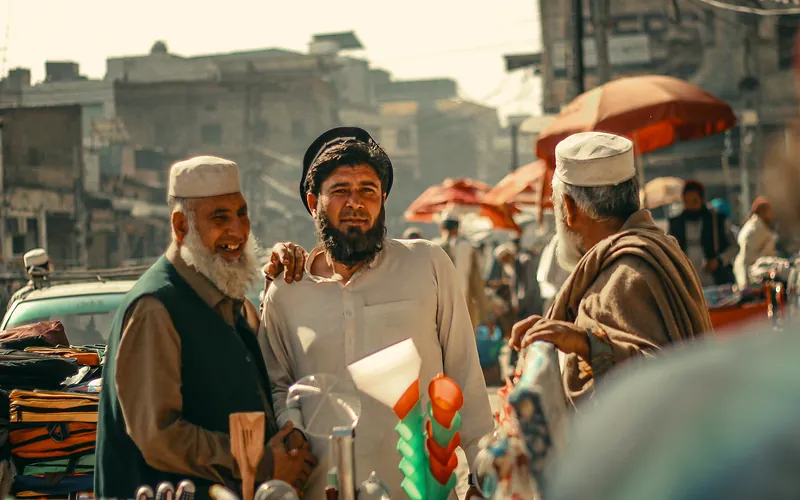
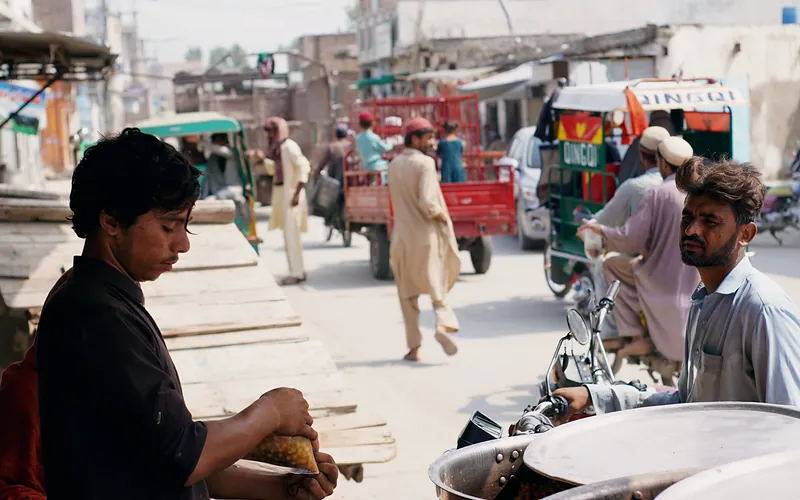
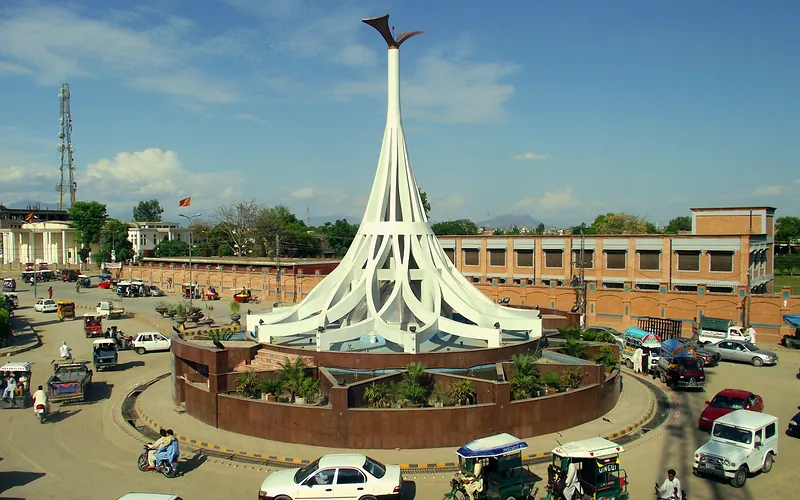
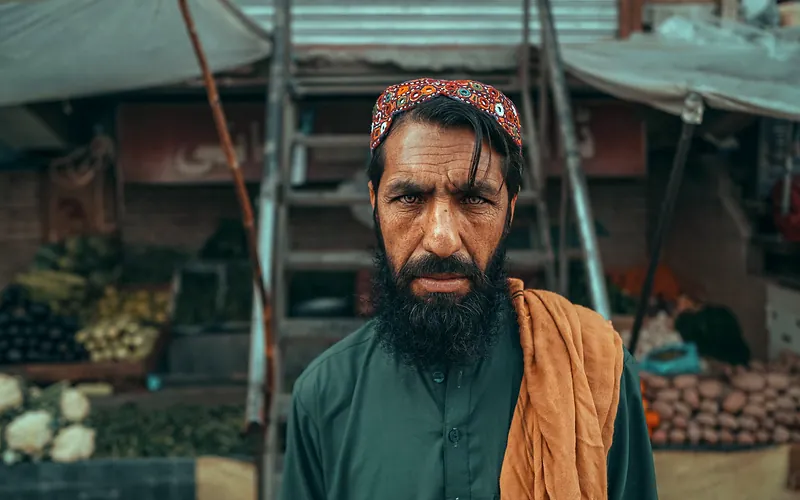

























People search for an NGO in Pakistan for many reasons. A mother in Karachi cannot pay the rent. A student in Bannu needs a laptop to finish a degree. A woman in Faisalabad wants to understand her rights before a khula hearing. A family in Manchester or Dubai wants its zakat to reach a household that really needs it. Below you can read how Peace and Humanity Welfare Organization (PHWO) tries to answer all of these needs, and links to detailed guides for every province and more than sixty cities.
PHWO describes itself simply: voluntary, without political ties, and open to every sect and faith. It keeps exactly one office, the registered one in Larkana, Sindh. There are no PHWO branches, centres, camps or staff in any other city. Instead, families across the country reach it through this website, through Message PHWO in a free PHWO account, and through a network of volunteers. Every service is free. Requests are verified and assessed, and help is arranged where a verified need can be met; no outcome is guaranteed.
Pakistan's people: the scale of need
The 2023 Census counted 241,499,431 people in Pakistan’s four provinces and Islamabad, of whom close to 39 percent were urban, while a typical household held about six people (Pakistan Bureau of Statistics, national table). Punjab alone had about 127.7 million residents, Sindh 55.7 million, Khyber Pakhtunkhwa 40.9 million, Balochistan 14.9 million and Islamabad 2.4 million. Azad Kashmir and Gilgit-Baltistan, counted separately by their own planning departments, add about six million more.
Behind these numbers are very different lives. Poverty is measured not only by income but by schooling, health and living standards, and the Planning Commission’s study of multidimensional poverty in Pakistan shows how much deprivation varies between districts, and between towns and villages.
What people ask a welfare organisation for
Looking across all provinces, three requests reach PHWO more often than any others:
- Ration for families who cannot buy flour, oil, pulses and other basics.
- Debt, often built up after illness, a wedding, a funeral, a failed business or a flood.
- A laptop or phone for a college course, an online class, a job search or freelance work.
Behind these come hospital costs, fees at every level of education, overdue rent, and the losses left by fires, floods or earthquakes. PHWO’s work is organised in eight areas: education, health, women’s empowerment, digital skills, vocational training, environment, community and poverty, and emergency relief. You can read about them on Programmes. People who search for an NGO in Pakistan for education, for health or for women will find these areas described there.
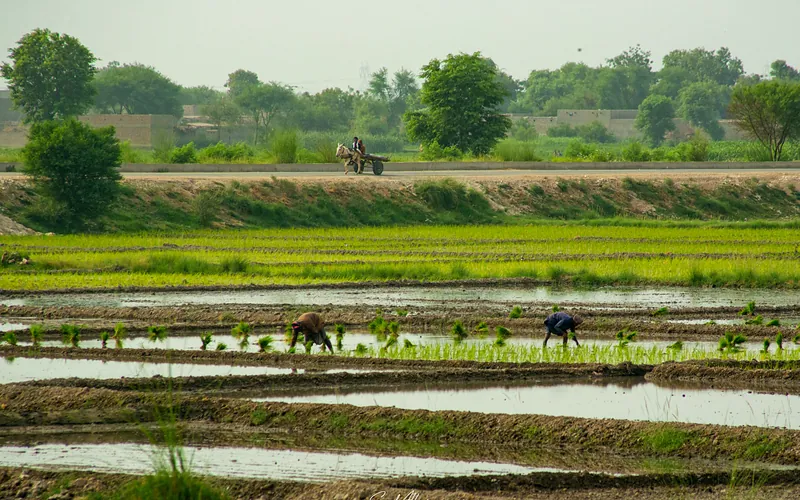
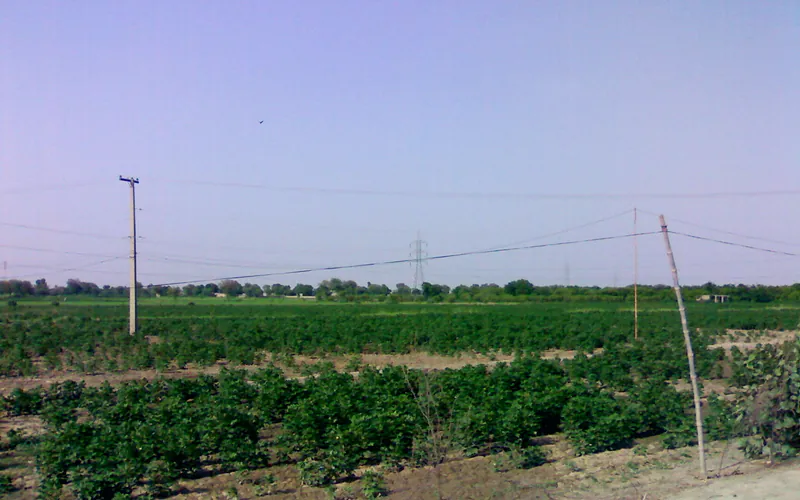
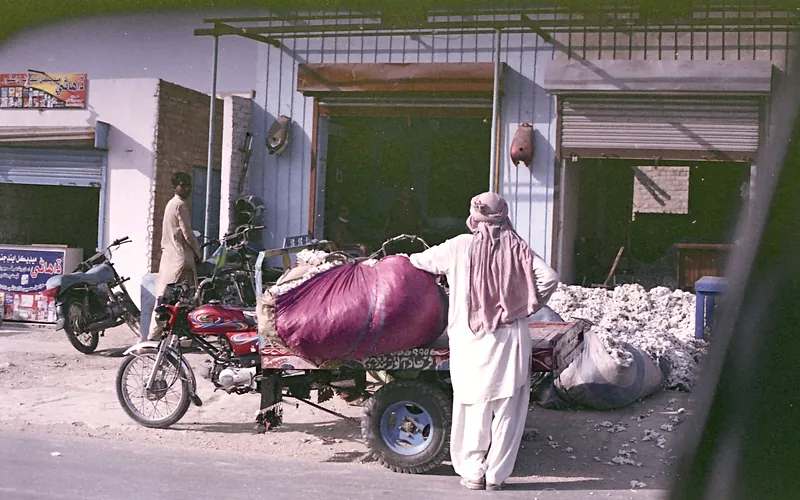
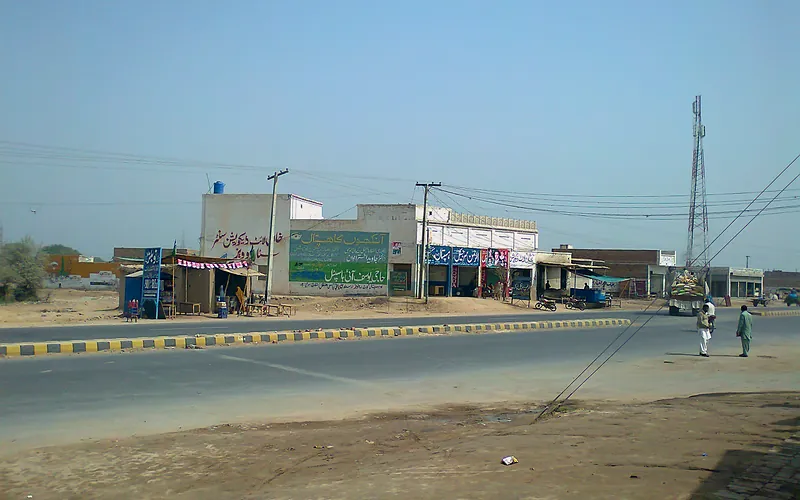
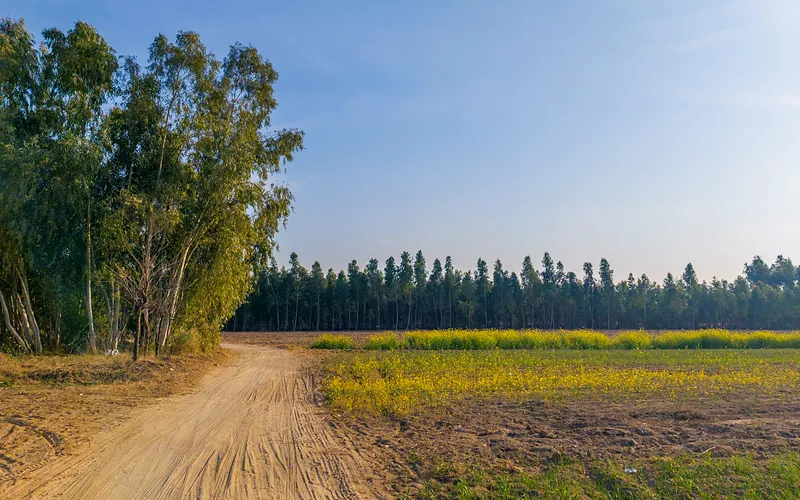
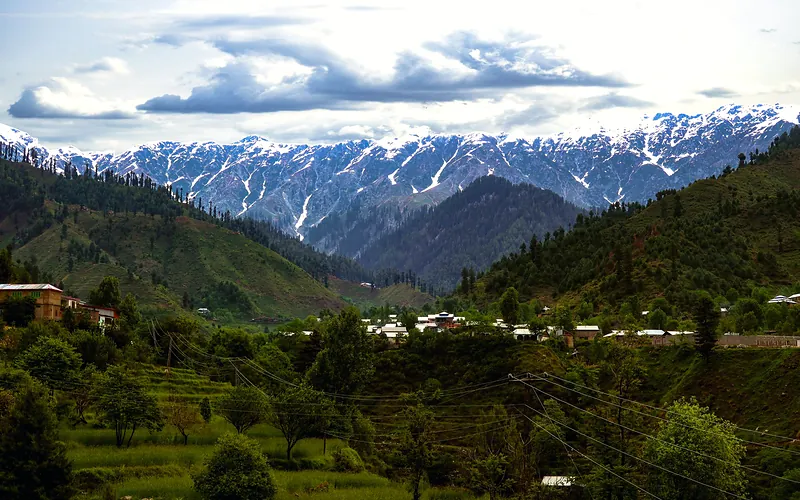
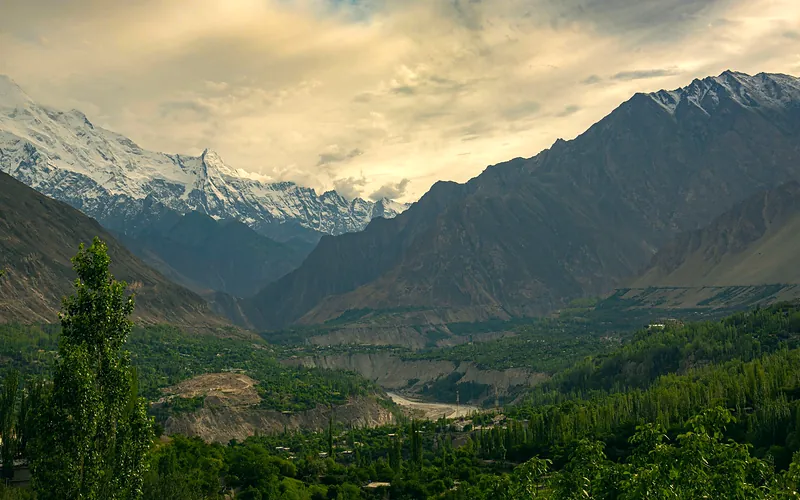
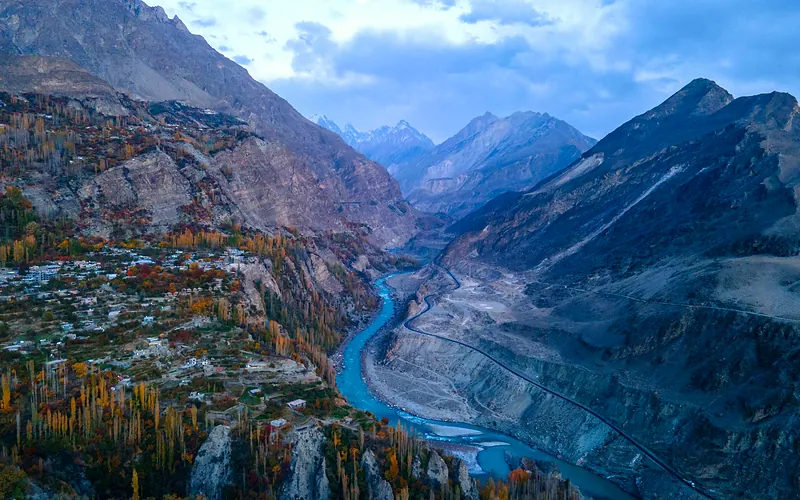
Needs are shaped by place. In the canal colonies of Punjab, debt to arhtis and shopkeepers after a poor harvest is common. In Karachi and Lahore, rent and school fees press hardest. In the Thar desert and much of Balochistan, drought and distance make every trip to a hospital expensive. In the mountains of Gilgit-Baltistan and Azad Kashmir, winter closes roads and ends seasonal work. The provincial and city guides linked below describe these local conditions in more detail, so that a reader can see what is typical in their own district.
How to ask an NGO in Pakistan for help from anywhere
Because PHWO works remotely, the process is the same in a Lahore flat or a village in Tharparkar:
- Open Request help, or message PHWO from a free PHWO account.
- Explain your household honestly: who lives with you, what income you have, and exactly what you need.
- Add a live photo of yourself, plus any bills, loan papers, hospital slips or fee challans you have.
- A volunteer may contact you to confirm details.
You can explain your situation in Urdu, Sindhi, Punjabi, Saraiki, Pashto, Balochi, Brahui, Hindko or any regional language; volunteers help understand it. Be careful of anyone who demands a payment to push your file forward; such a person does not speak for PHWO, and its services carry no price.
Why is there no local branch? Running offices in dozens of cities would cost rent, salaries and travel. Working online and through volunteers lets PHWO receive requests from a fisherman in Gwadar, a widow in Swat or a student in Skardu in the same way as from someone living near its Larkana office. The trade-off is that you must explain your situation clearly in writing, because no one will visit your house. Honest, complete requests with supporting papers are easier to verify than short messages.
Free legal aid, mostly for family cases
Many people cannot afford a lawyer, even when their rights are clear. PHWO’s Free legal aid connects them with volunteer advocates who study their documents and explain their options. Most requests are family matters: khula and divorce, haq mehr, maintenance for wives and children, and custody. Others involve property, inheritance or criminal cases.
No FIR is needed to ask for advice. Custody cases and urgent hearings are read first. Whether a volunteer can appear for you in court depends on availability, and it is never promised. Pakistan’s courts also run their own legal aid arrangements through district legal empowerment committees and bar associations; a volunteer advocate can explain those as well.
Women make up a large share of people seeking this kind of advice. Many have been left without maintenance, or have been told they will lose their children if they seek khula. Knowing the law does not solve everything, but it helps people avoid paying for bad advice, missing deadlines, or agreeing to settlements that take away their rights.
Provincial guides
Each province and region has its own page, with Census figures, local challenges, courts, hospitals and public services, and links to its city pages:
- Sindh, where PHWO is based, with 24 city guides from Karachi to Larkana and Tharparkar.
- Punjab, the most populous province, with 14 city guides.
- Khyber Pakhtunkhwa, from Peshawar to Dera Ismail Khan.
- Balochistan, the largest province by area.
- Islamabad Capital Territory.
- Gilgit-Baltistan, for the mountain valleys of the north.
- Azad Jammu and Kashmir, from Neelum to Bhimber.
Some of the most visited city pages are Karachi, Lahore, Islamabad, Peshawar and Quetta.
Disasters and public safety nets
Pakistan faces floods, heatwaves, droughts and earthquakes. The 2022 monsoon floods alone affected tens of millions of people across Sindh, Balochistan, Khyber Pakhtunkhwa and southern Punjab (ReliefWeb: 2022 floods). National warnings come from the National Disaster Management Authority, and each province has its own PDMA.
Before or alongside any request to PHWO, check the public support you may be entitled to:
- The Benazir Income Support Programme pays Kafaalat to eligible women and education stipends for children; send your CNIC to 8171 to check.
- Rescue 1122 and 15 for emergencies and police in most of the country.
- Government teaching hospitals and district headquarters hospitals for free or low-cost treatment.
- District zakat committees for government zakat.
- Women’s helplines run by provincial governments.
Donating from Pakistan or abroad
Many donors want to help but worry whether their money will reach real need. The Donate page takes cash and in-kind gifts, whether you live in Pakistan or overseas, and every rupee of Zakat and Sadaqah is passed to deserving people. If you prefer to support one household whose situation has been checked, choose Sponsor a case. Unsure of the amount? The Zakat calculator totals savings, gold, silver and trade goods and gives your zakat figure.
Overseas Pakistanis, from the Mirpuri families of Britain to Pashtun workers in the Gulf and professionals in North America, send home a large share of what they earn. Many of them also want to help people beyond their own relatives, and PHWO gives them a simple way to do that.
Volunteering, membership and the Rishta Desk
PHWO depends on volunteers. It needs lawyers in Pakistan most of all, followed by fundraisers in Pakistan and abroad, and some of its volunteers already live overseas. Students, teachers and retired professionals can help families prepare or translate requests. Join through Volunteer; every volunteer receives a certificate, a letter of appreciation and an experience letter. Organisations that want to work alongside PHWO can look at partnership, and individuals can become members.
The Rishta Desk helps families in Pakistan and abroad search for a match, free of charge. It is free and open to every faith; each profile is checked with a live selfie and reviewed by PHWO staff. Families make every decision, and no match is guaranteed.
Public services in Pakistan you can also use
- Benazir Income Support Programme (BISP)Kafaalat and education stipends; SMS CNIC to 8171
- National Disaster Management AuthorityNational disaster warnings
- Rescue 1122Emergency rescue in most provinces
- PoliceDial 15
- District legal empowerment committees and bar associationsCourt-linked legal aid
- District zakat committeesGovernment zakat
These are public or independent services, listed to help you. They are not part of PHWO.
Frequently asked questions
Where is PHWO's office?
In Larkana, Sindh, at House 704/C in Lahori Muhalla, next to the government girls' high school. That is the one and only PHWO office; no other city has one.
Can people outside Sindh apply?
Yes. PHWO accepts requests from every province and region of Pakistan, all online: on this website, through Message PHWO in a free PHWO account, or by email to info@phwo.org .
Does PHWO charge anything?
Never. Requests, advice and the Rishta Desk all cost nothing, and PHWO does not let anyone take a fee on its behalf.
Is help guaranteed once I apply?
No. Volunteers first check what you have sent. Where the need is genuine and it is possible to respond, support is arranged.
Can I donate from outside Pakistan?
Yes. Gifts in cash or kind arrive from many countries, and zakat or sadaqah given like this reaches deserving families undivided.
Is PHWO registered?
Its application for registration under the 1961 ordinance governing voluntary social welfare agencies is currently being processed.