



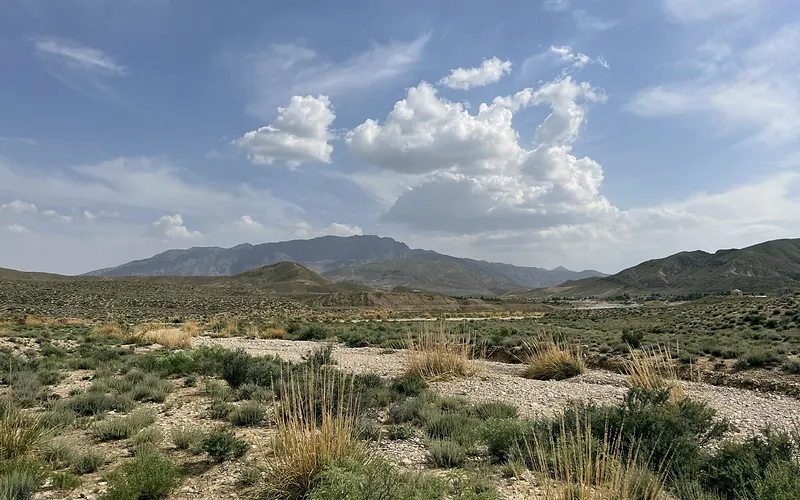
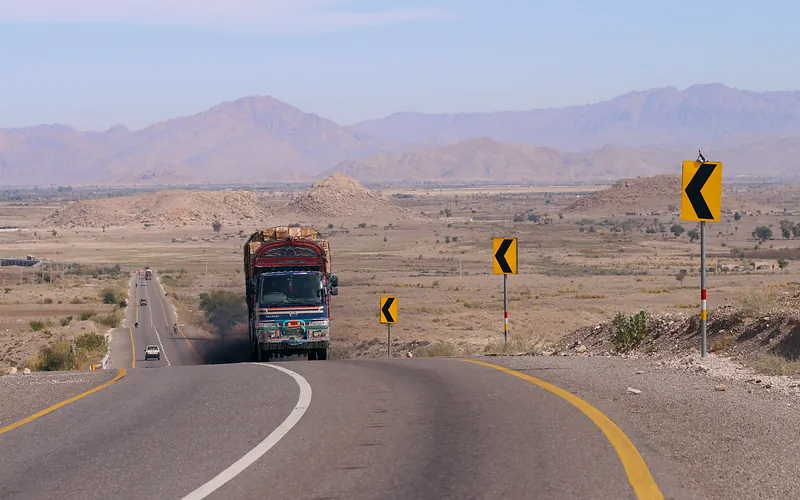

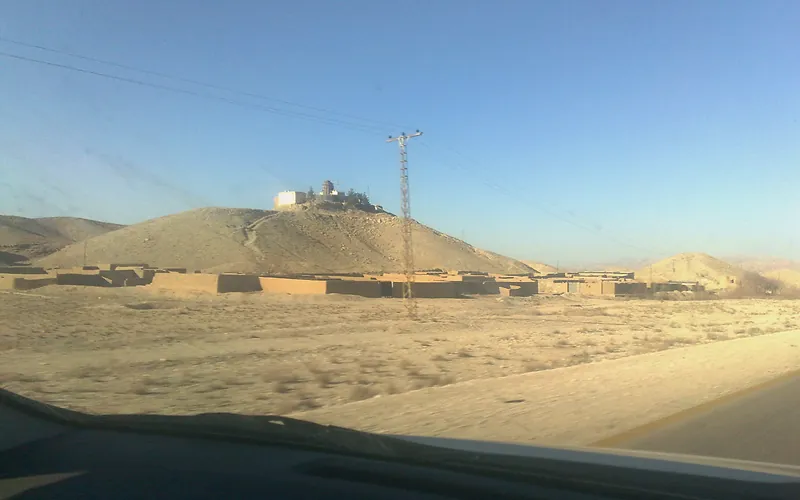
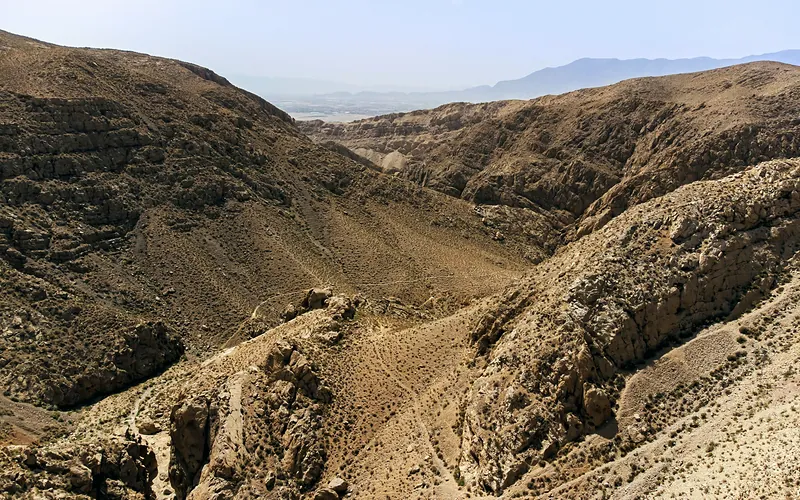

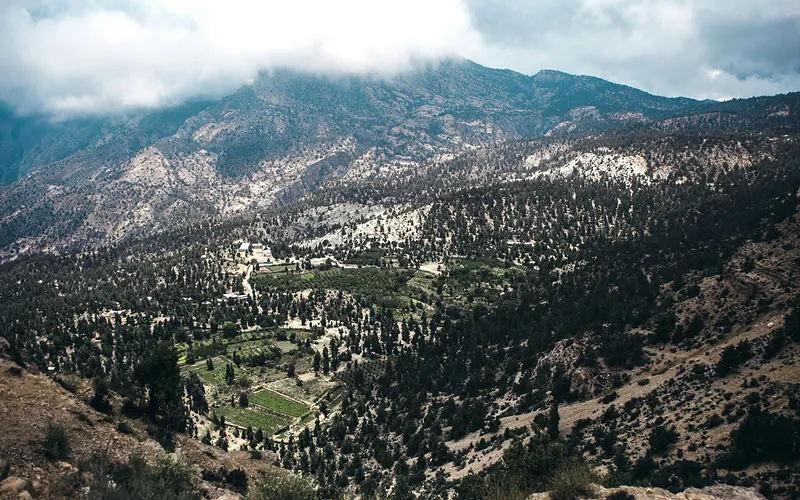
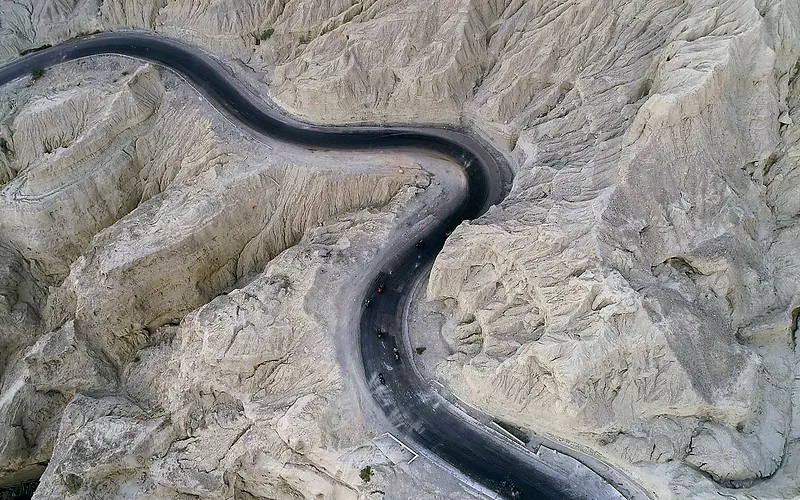
Balochistan covers almost half of Pakistan’s territory, from the Arabian Sea coast at Gwadar to the orchards of Ziarat and the deserts of Chagai. Its towns are separated by hundreds of kilometres of mountain and plain, and a hospital, a court or a university may be a full day’s journey from home. That is why people search for an NGO in Balochistan they can contact from wherever they are.
Peace and Humanity Welfare Organization (PHWO) is one such option, with one important limit you should know first: it has no office, centre, camp or staff member in Balochistan. PHWO is based only in Larkana, Sindh, not far from the Jacobabad and Sibi border. Balochistan families apply over the internet, through Message PHWO in a free PHWO account, or with help from a volunteer, and pay nothing. Volunteers check each request, and assistance is organised if the hardship proves real and PHWO is able to act on it; results are never promised.
The province in the 2023 Census
Balochistan had 14,894,402 residents in the 2023 Census, living on 347,190 square kilometres, far more land than any other province (PBS Balochistan province table). About 31 percent were urban, and the average household had just over six members. With only around 43 people per square kilometre, villages are small and scattered.
Languages change from region to region: Balochi along the coast and in Makran, Brahui in Kalat and Jhalawan, Pashto in Quetta and the north, and Sindhi and Saraiki in the eastern plains around Naseerabad and Jaffarabad.
Hardships shared across the province
- Water. Long droughts dry up karezes and wells, and herders lose flocks. When rain does come, it often arrives as sudden floods.
- Floods. In 2022, monsoon floods damaged homes, roads, crops and livestock in nearly every district, especially in the Kachhi and Naseerabad plains (ReliefWeb: floods 2022).
- Distance. Travel to Quetta or Karachi for treatment or a court date costs money families do not have, so they borrow.
- Work. Many rely on seasonal farming, border trade, fishing, mining or remittances from the Gulf, all of which can stop suddenly.
- Security. In some areas, road closures and mobile internet suspensions interrupt both earnings and schooling.
What people in Balochistan ask PHWO for
Nationwide, food ration, repaying debts, and a laptop or phone to learn or earn are the requests PHWO sees most. Balochistan follows the same pattern. Families who borrowed for flood repairs, hospital trips or a daughter’s wedding need relief from those loans. Students at universities in Quetta, Turbat, Khuzdar or Lasbela, and young people in towns without jobs, can open a door to online work if they have a proper device.
Other common needs include medical treatment, school fees, rent, and help after a fire or flood. PHWO’s wider areas of work, from education and health to women’s empowerment and emergency relief, are described on the Programmes page.
Applying to an NGO in Balochistan from a distant town
Start at Request help. If the form is hard to use, you can message PHWO from your free PHWO account instead. Tell PHWO about everyone in your household, where your income comes from, and what you need. Send a live photo of yourself, and any supporting papers you have, such as hospital slips, loan notes or fee challans.
Signals are weak in many parts of the province, so there is no time limit on sending. A volunteer may ring back to confirm details, and may speak Balochi, Brahui, Pashto or Urdu. If anyone says they represent PHWO in your area and asks for money, they are not genuine: every PHWO service is free.
Free legal advice for Balochistan's families
District and sessions courts, including family courts, work in each district. Appeals go to the High Court of Balochistan in Quetta, which also has benches at Sibi and Turbat. PHWO’s Free legal aid links people with volunteer advocates who read their papers and advise them; most of the matters they see are family ones, like khula, haq mehr, maintenance and the custody of children.
You do not have to lodge an FIR before asking. Tell PHWO if children are at the centre of the dispute or if a hearing is soon, and your file will be opened sooner. It is not always possible for a volunteer to represent you in court, and it cannot be promised in advance.
Women heading households on their own
In much of Balochistan, men leave for months or years to work in the Gulf, in Karachi or on long-haul trucks. Some never return, some stop sending money, and some die in accidents far from home. Their wives are left to feed children, pay the shopkeeper and deal with offices, often without a CNIC, a bank account or anyone to go with them to town.
If you are in this position, you can still apply. A brother, father or grown son can help you fill in the form, but the request should describe your own household honestly. Say whether you receive BISP payments, whether anyone sends money, and whether there is a family case about maintenance or custody. Where a court matter is involved, a volunteer advocate can explain your rights, which are the same in Quetta, Panjgur or Dera Murad Jamali.
Public services across Balochistan
- 15 for police in cities; Levies posts serve many rural areas. District numbers are on the Balochistan Police website.
- 1122 emergency rescue where the service operates, including Quetta.
- BISP tehsil offices that pay Kafaalat and school stipends; an SMS to 8171 tells you if you qualify (bisp.gov.pk).
- PDMA Balochistan for flood, drought and heatwave alerts (pdma.gob.pk).
- Major public hospitals: Civil Hospital and Bolan Medical Complex in Quetta, Teaching Hospital Turbat, and district headquarters hospitals.
- District zakat committees for government zakat.
For local detail on courts, hospitals and conditions in particular towns, see the city pages:
- Quetta, the provincial capital.
- Gwadar on the Makran coast.
- Turbat in Kech.
- Khuzdar in Jhalawan.
- Sibi at the foot of the Bolan.
Supporting Balochistan: donors and volunteers
Whether you live in Quetta, Karachi, Muscat or Dubai, you can give to verified Balochistan households through Donate, sending money or goods such as warm quilts for winter in the north. Zakat and Sadaqah passed through PHWO reach eligible people without any cut. To help one particular family, use Sponsor a case.
Advocates in Balochistan’s courts are especially needed as volunteers, as are fundraisers in Pakistan and abroad; PHWO already has overseas volunteers. Speakers of Balochi, Brahui and Pashto are valuable for understanding requests. Sign up through Volunteer and receive a certificate, a letter of appreciation and an experience letter.
Public services in Balochistan you can also use
- High Court of Balochistan (Quetta; benches at Sibi and Turbat)Appeals
- District and sessions courts, family courtsKhula, dower, maintenance, custody
- Balochistan Police / LeviesDial 15
- BISP tehsil officesSMS CNIC to 8171
- PDMA BalochistanDisaster alerts and relief
- Civil Hospital and Bolan Medical Complex, QuettaMajor public hospitals
- District zakat committeesGovernment zakat
These are public or independent services, listed to help you. They are not part of PHWO.
Frequently asked questions
Is there a PHWO office anywhere in Balochistan?
No. PHWO has no office or employees in the province. Every Balochistan request is handled remotely from Larkana, Sindh.
Our area often loses mobile internet. Will my request expire?
No. Send it whenever you can connect. There is no deadline.
Can I apply for help with a loan taken after the 2022 floods?
Yes. Describe the loan and share any proof. It will be checked before any decision.
Which languages can I use in my request?
Any of Balochi, Brahui, Pashto, Sindhi, Saraiki or Urdu. Speak the way you speak at home.
I am a lawyer in Quetta. How can I help?
Register on the Volunteer page. Advocates who can review family cases are needed most.