




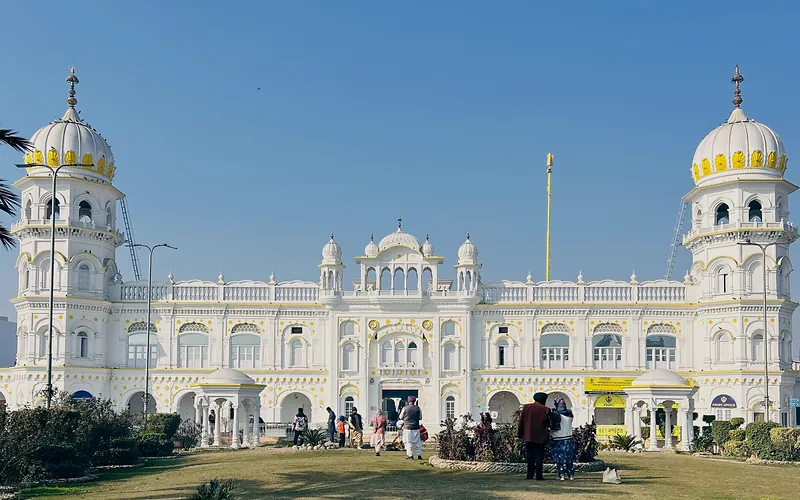


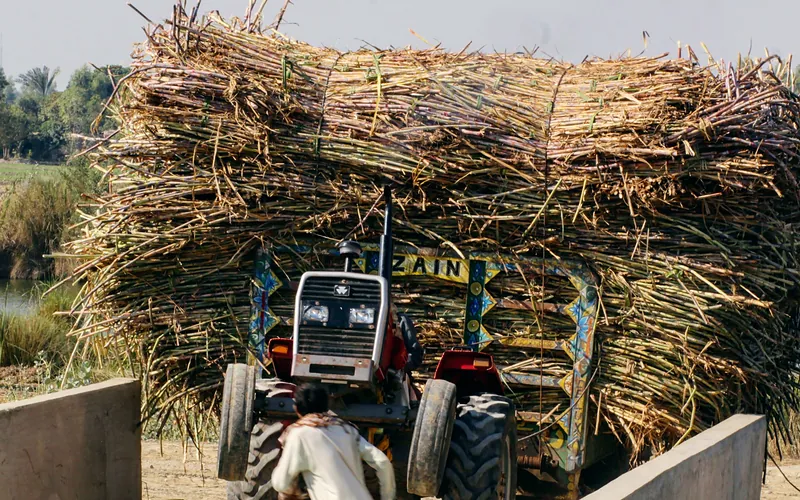
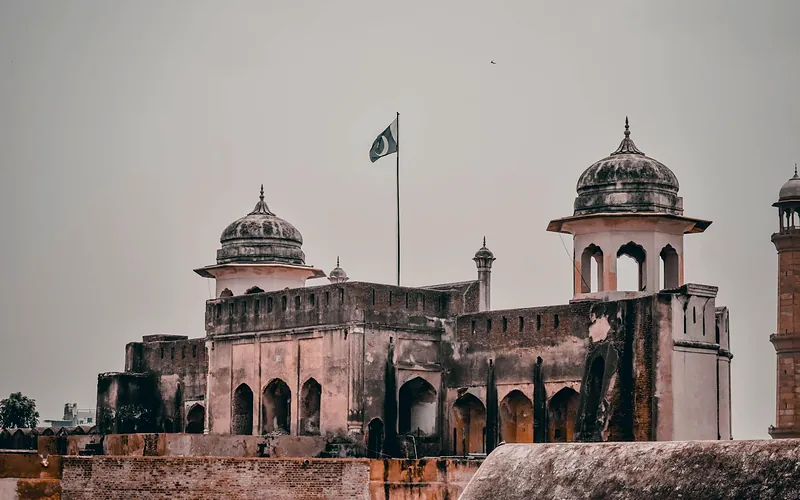
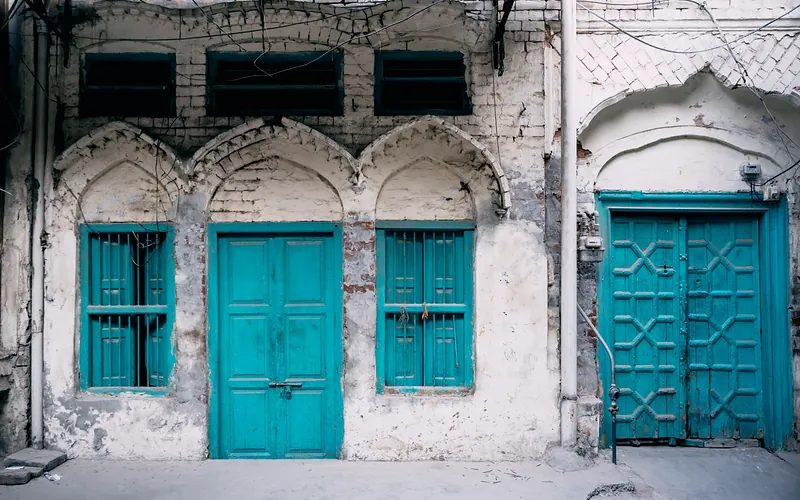







Punjab holds more than half of Pakistan’s people, and its needs range from crowded Lahore katchi abadis to cotton villages near Rahim Yar Khan and hill-torrent settlements west of Dera Ghazi Khan. Anyone looking for an NGO in Punjab quickly finds that help is uneven: big cities have many options, while small towns may have none that answers a phone call.
Volunteers run PHWO, the Peace and Humanity Welfare Organization, as a welfare body that serves families in every part of the country at no cost. Its one and only office stands in Larkana, Sindh. It has no branch, staff member or collection point in Punjab. People in the province contact it online, by email or through the forms on this website, and volunteers take things from there.
Punjab at a glance: the 2023 Census
Punjab’s head count in 2023 came to 127,688,922, according to the Pakistan Bureau of Statistics, living across about 205,000 square kilometres. Roughly 41% live in cities and towns; the other 59% are rural. The average household has 6.4 members. By mother tongue, about two in three people speak Punjabi, around one in five speak Saraiki (mostly in the south), and some 7% grow up with Urdu. These figures come from census tables 1 and 11 for the province.
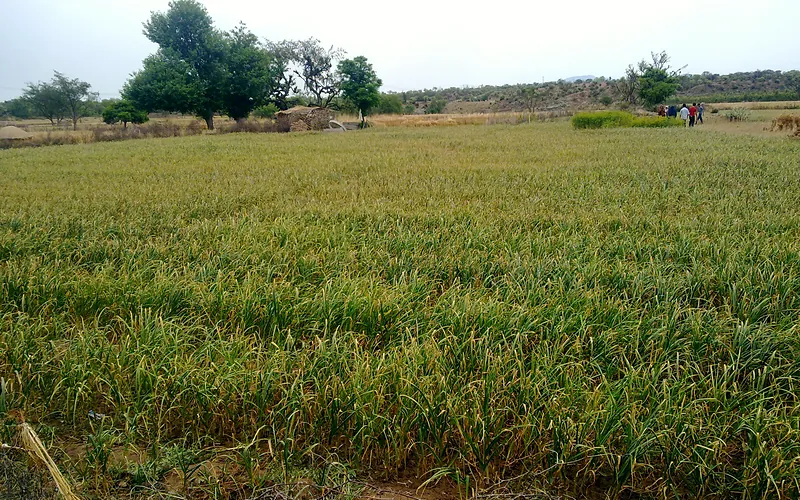
Behind the numbers are very different lives. Central Punjab is industrial and dense. South Punjab is poorer and more rural, and it carries a heavier burden of floods, heat and debt.
What families in Punjab ask PHWO for
Requests from the province follow a clear pattern. The most common are:
- A laptop or a smartphone so that a student can keep up with classes, or so that a young person can do freelance, delivery or office work.
- Ration when wages stop, a factory closes or a harvest fails.
- Help with debt, which in Punjab often means loans from commission agents, microfinance lenders or relatives, taken for treatment, weddings or a failed attempt to go abroad.
Medical bills, school fees, rent and losses in a disaster can also be described. Every request goes through the Request help form and has to include a live photo of the applicant and a short explanation of the need. Volunteers then examine it. Support is organised only for needs that hold up under checking and that PHWO is able to meet. Nobody is given a date, and nothing is promised in advance.
Legal aid across Punjab's courts
Family law is where most Punjabi applicants need a lawyer: maintenance for a wife and children, guardianship and custody, dowry articles, khula and the return of a marriage gift. These cases start in the family courts in each district and can go on appeal to the Lahore High Court, which also sits in Multan, Bahawalpur and Rawalpindi.
Through PHWO’s free legal aid service, a matter can be placed before volunteer advocates without paying a fee and without first lodging an FIR. Volunteers look first at anything involving a child’s custody or a hearing date that is near. An advocate takes a case only when one is free to do so, so representation cannot be promised. Government legal aid is also available through each district’s legal empowerment committee and the Punjab Bar Council’s free legal aid schemes.
North, centre and south: three different kinds of need
The north, from Rawalpindi and Attock down to Gujrat and Sialkot, sends many young people abroad and to the army. Families here often write about migration debt or about a breadwinner who has stopped sending money.
The centre, around Lahore, Faisalabad, Gujranwala and Sheikhupura, is Pakistan’s industrial belt. Power looms, steel and export factories employ millions on daily wages, and a closure or an injury at work can push a household into hunger within weeks.
The south, including Multan, Bahawalpur, Rahim Yar Khan, Dera Ghazi Khan and Jhang, depends on cotton, wheat and livestock. It has been hit hard by floods: in 2022 hill torrents from the Koh-e-Suleman devastated Dera Ghazi Khan and Rajanpur, and in 2025 the Chenab, Ravi and Sutlej all rose at once.
Our Punjab city pages
Each city page has local census figures, the public hospitals and helplines in that district, and advice written for people there. Choose the one closest to you. Each was written separately, because the problems of a Sialkot export worker and a Rajanpur farmer are not the same:
- Lahore, Sheikhupura, Sahiwal
- Faisalabad, Jhang, Sargodha
- Rawalpindi, Gujrat, Sialkot, Gujranwala
- Multan, Bahawalpur, Rahim Yar Khan, Dera Ghazi Khan
If your town is not listed, you are still welcome. Requests are accepted from every district of Punjab, including Okara, Kasur, Vehari, Layyah, Bhakkar and Rajanpur.
Volunteering in Punjab
Some of PHWO’s most active volunteers live in Lahore, Faisalabad, Rawalpindi and Sialkot, and others are Punjabis settled in the UK, Europe, the Gulf and North America. Two kinds of help matter most. First, advocates practising anywhere in Punjab, because family cases arrive from every district. Second, fundraisers, whether at home or overseas, who can bring in support for verified families.
Students, teachers, doctors and IT workers can also help by checking cases, mentoring applicants or teaching digital skills. Register through the volunteer page. Volunteers receive a certificate and, in time, letters recognising their service and describing their experience. Organisations such as schools, companies and community groups can explore a partnership.
Donations, Zakat and sponsoring one family
Punjab gives generously, especially in Ramadan. If you would like your gift to reach someone checked by volunteers, use the donation page for money or goods, from inside Pakistan or from abroad. Your Zakat and Sadaqah reach deserving families without any deduction for costs. Before Ramadan, work out your share with the Zakat calculator.
Donors who want a direct link to one household can use Sponsor a case. PHWO never asks for money door to door or through agents; if anyone collects cash in its name in a Punjab market, street or anywhere else, please report it.
Government services worth knowing in Punjab
- Rescue 1122 answers emergencies in every district of the province.
- Police on 15; the provincial helpline for women on 1043.
- BISP tehsil offices for the Kafaalat and education stipends.
- The Punjab Zakat and Ushr Department and its district committees.
- PDMA Punjab for flood warnings and official relief.
- Each district’s Deputy Commissioner’s office, reachable through the Punjab government portal.
For a rishta, PHWO’s desk is free for any faith, checks each profile with a live selfie and a PHWO staff review, and leaves every decision to the families; no match is assured.
Public services in Punjab you can also use
- Rescue 1122Province-wide emergency service
- Benazir Income Support ProgrammeCash support for eligible families
- PDMA PunjabDisaster warnings and relief
- Zakat and Ushr Department PunjabGovernment zakat distribution
- Lahore High CourtAppeals from district courts
- Government of the PunjabPortal to departments and districts
These are public or independent services, listed to help you. They are not part of PHWO.
Frequently asked questions
Is there a PHWO office anywhere in Punjab?
No. The only office is in Larkana, Sindh. From Punjab you can write by messaging PHWO from a free PHWO account, send an email to info@phwo.org , or fill in a form on this site.
My district has no city page. Can I still apply?
Yes. Any district of Punjab is fine, from Attock to Rajanpur.
Can a student in Punjab ask for a laptop?
Yes, it is one of the most frequent requests. Mention your institution, your course and how the device will be used.
Does PHWO help with cases in the Lahore High Court?
You can describe any case, including an appeal. Whether a volunteer advocate can take it depends on who is available.
I am a Punjabi living in England. Can I volunteer?
Certainly. Punjabis abroad who raise funds for checked cases are in high demand, and you can sign up online from England in a few minutes.